
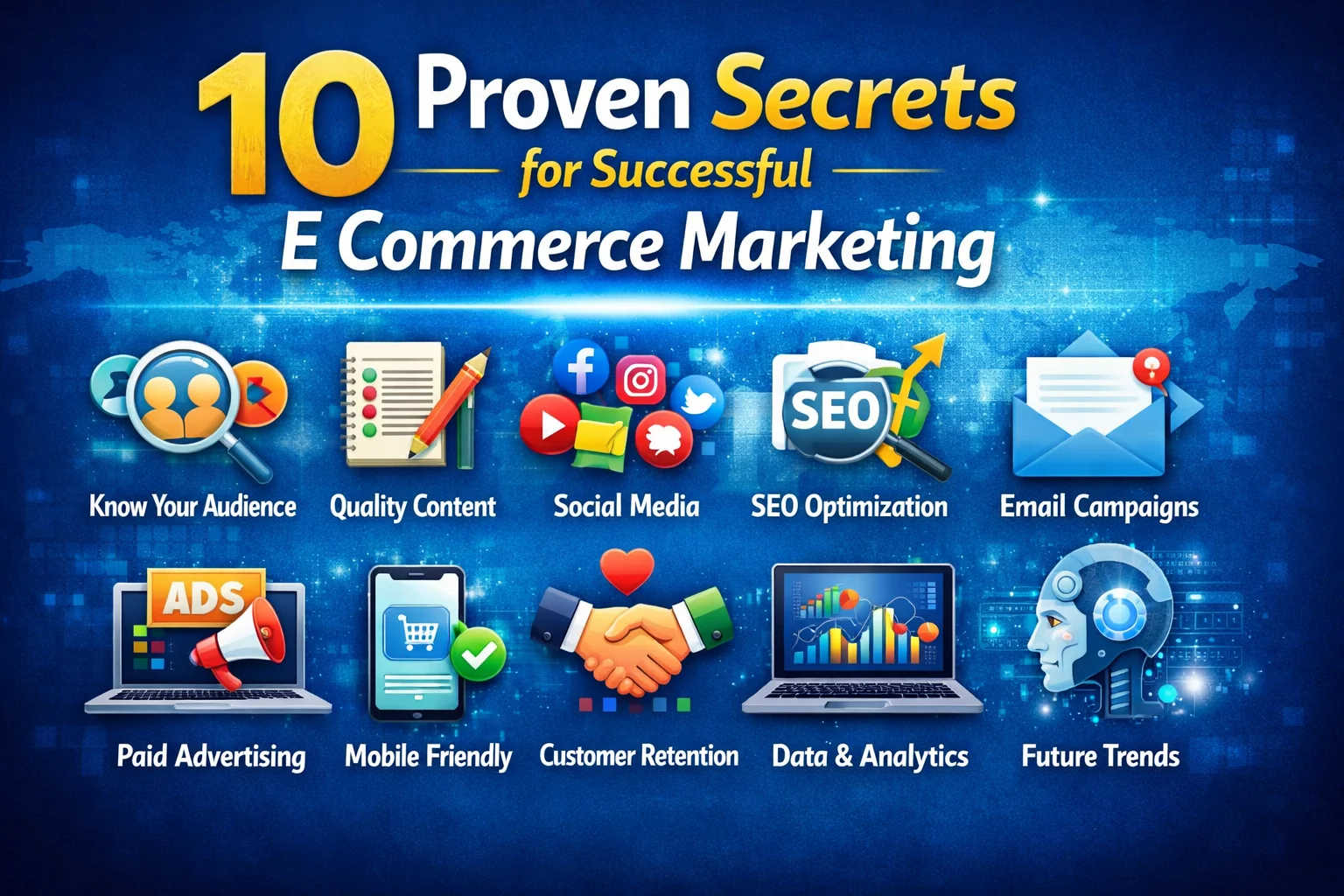
E-commerce marketing has become the backbone of modern online businesses, helping brands connect with customers in meaningful, measurable ways. As more consumers shift toward digital shopping, businesses must adapt their strategies to remain competitive and visible. From small startups to global enterprises, success often depends on how effectively a company approaches e commerce marketing in a crowded marketplace.
Understanding the fundamentals is the first step toward building a strong presence. E commerce marketing involves promoting products through digital channels such as search engines, social media, email, and paid advertising. When done right, it not only increases traffic but also builds trust, improves customer experience, and drives long-term growth.
Importance of Strategy in E Commerce Marketing
A clear and structured strategy is essential for successful e commerce marketing. Without a defined plan, businesses risk wasting time and resources on tactics that do not deliver results. A well-crafted strategy aligns your goals, audience, and channels to create a consistent and effective approach.
Strategic e commerce marketing focuses on understanding customer behavior, tracking performance, and continuously optimizing campaigns. This ensures that every effort contributes to measurable outcomes like conversions, revenue, and customer retention, rather than just vanity metrics.
Understanding Your Target Audience
Knowing your audience is a cornerstone of effective e commerce marketing. Businesses need to identify who their customers are, what they want, and how they interact with online platforms. This insight allows marketers to create personalized experiences that resonate with potential buyers.
When you tailor your e commerce marketing efforts to specific audience segments, you increase engagement and improve conversion rates. Using tools like analytics and customer feedback, businesses can refine their messaging and deliver content that truly connects with their audience.
Role of Content in E Commerce Marketing
Content plays a powerful role in shaping customer decisions in e-commerce marketing. High-quality product descriptions, engaging blog posts, and informative videos help educate customers and build trust. Content also improves search engine visibility, making it easier for customers to find your store.
In addition, consistent content creation strengthens your brand identity. By integrating storytelling into your e commerce marketing strategy, you can create emotional connections that encourage loyalty and repeat purchases over time.
Social Media and E Commerce Marketing
Social media platforms have transformed how businesses approach e commerce marketing. Platforms like Instagram, Facebook, and TikTok allow brands to showcase products, engage with customers, and drive traffic directly to their websites. These channels offer powerful targeting options that make it easier to reach the right audience.
Effective e commerce marketing on social media requires creativity and consistency. Posting visually appealing content, interacting with followers, and leveraging trends can significantly boost brand awareness and sales. Paid social campaigns further enhance reach and conversions.

Search Engine Optimization (SEO) Strategies
SEO is a critical component of e commerce marketing that helps businesses rank higher in search engine results. By optimizing product pages, using relevant keywords, and improving website structure, businesses can attract organic traffic without relying solely on paid ads.
Strong SEO practices ensure long-term success in e commerce marketing. When your website appears at the top of search results, it builds credibility and increases the likelihood of conversions. Regular updates and keyword optimization keep your store competitive in search rankings.
Email Marketing for Online Stores
Email remains one of the most effective tools in e commerce marketing. It allows businesses to communicate directly with customers, promote products, and nurture relationships. Personalized email campaigns can significantly increase engagement and sales.
With proper segmentation and automation, e commerce marketing through email becomes highly efficient. From welcome emails to abandoned cart reminders, businesses can guide customers through the buying journey and encourage repeat purchases.
Paid Advertising Techniques
Paid advertising is a fast and scalable method within e commerce marketing. Platforms like Google Ads and social media ads enable businesses to reach targeted audiences quickly. With the right budget and strategy, paid campaigns can deliver immediate results.
However, successful e commerce marketing through paid ads requires continuous monitoring and optimization. Testing different creatives, audiences, and bidding strategies ensures maximum return on investment and long-term campaign success.
Importance of Mobile Optimization
Mobile optimization is no longer optional in e commerce marketing. With a large percentage of users shopping عبر mobile devices, businesses must ensure their websites are fast, responsive, and easy to navigate on smaller screens.
A mobile-friendly approach enhances the overall e commerce marketing experience by reducing bounce rates and increasing conversions. Simple design, quick loading times, and smooth checkout processes are essential for capturing mobile users.
Customer Experience and Retention
Customer experience plays a vital role in e-commerce marketing success. A seamless shopping journey, from browsing to checkout, builds trust and encourages repeat purchases. Positive experiences often lead to word-of-mouth referrals and brand loyalty.
Retention-focused e commerce marketing strategies include loyalty programs, personalized recommendations, and excellent customer support. Keeping existing customers is often more cost-effective than acquiring new ones, making retention a key priority.
Data Analytics and Performance Tracking
Data-driven decisions are at the heart of effective e-commerce marketing. By analyzing metrics such as traffic, conversion rates, and customer behavior, businesses can identify what works and what needs improvement.
Using analytics tools, e commerce marketing efforts can be continuously refined for better performance. Insights gained from data help businesses make informed decisions, optimize campaigns, and maximize overall profitability.

Future Trends in E Commerce Marketing
The future of e-commerce marketing is shaped by innovation and technology. Trends like artificial intelligence, voice search, and personalized shopping experiences are transforming how businesses interact with customers. Staying ahead of these trends is essential for long-term success.
As competition grows, businesses must embrace new tools and strategies in e commerce marketing to remain relevant. Adapting to changing consumer behavior and leveraging emerging technologies will define the next phase of digital commerce.
Conclusion
E commerce marketing is a dynamic and ever-evolving field that requires a combination of strategy, creativity, and data-driven decision-making. Businesses that invest in understanding their audience, optimizing their channels, and delivering value will stand out in the competitive online landscape.
By implementing the right techniques and staying updated with trends, e commerce marketing can become a powerful driver of growth and success. Whether you are just starting or looking to scale, a strong marketing approach is the key to achieving your business goals.


